By Ethan Yang
Wed Aug 28 2024
0
0
Recovery: The Training You Do Outside the Pool
Training breaks you down. Recovery builds you back up—stronger, faster, more resilient. Yet too many swimmers treat recovery as an afterthought, believing that more hours in the pool automatically equals better results. They skip sleep, ignore soreness, and wonder why their times plateau or injuries creep in. The truth is simple: if you're not recovering, you're not improving. You're just accumulating fatigue and waiting for something to break.
Sleep is the single most powerful recovery tool you have, and it's free. During deep sleep, your body releases growth hormone, repairs muscle tissue, and consolidates motor skills—like that catch adjustment your coach has been drilling. Skimp on sleep, and all that hard work in the pool is wasted. Aim for 8-10 hours a night, especially during heavy training blocks. If you're a student-athlete juggling school and practice, naps count. Even 20-30 minutes of rest can make a difference.
Active Recovery: Keep Moving
Rest days don't mean doing nothing. Active recovery—light swimming, easy cycling, yoga, or even a walk—promotes blood flow, flushes out metabolic waste, and keeps your body loose without adding stress. The key is intensity: you should feel refreshed afterward, not tired. A 20-minute easy swim with drills, or 30 minutes of stretching and mobility work, can accelerate recovery far better than collapsing on the couch all day.
You don't get faster in the pool. You get faster in bed, in the kitchen, and in the moments you choose rest over recklessness.
“Swimming LST”Listen to Your Body
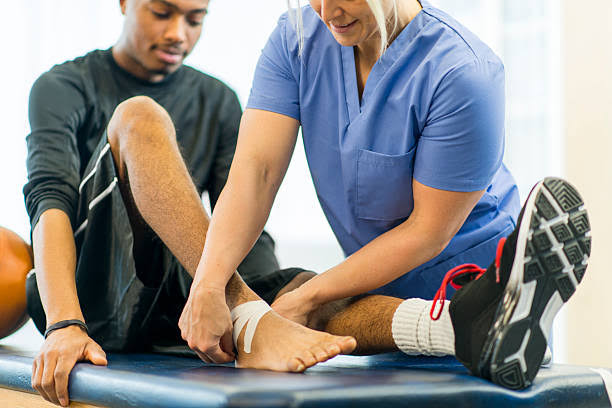
Soreness is normal. Pain is not. If something hurts beyond the usual muscle fatigue—sharp pain, persistent aches, or discomfort that changes your stroke—don't push through it. That's how minor issues become season-ending injuries. Take a day off, ice it, and if it doesn't improve, see a professional. Missing one practice is better than missing a month.
Finally, don't underestimate the mental side of recovery. Training is as much a psychological grind as a physical one. Take time to unplug, spend time with friends, or do something you enjoy outside the pool. Burnout is real, and it doesn't care how talented you are. Balance makes you faster in the long run.