By Ethan Yang
Sun Aug 25 2024
0
0
Fueling Performance: Nutrition for Swimmers
Swimmers burn calories at an astonishing rate—up to 3,000 calories in a single hard training day. Yet many swimmers, especially younger athletes, under-fuel or make poor food choices that leave them sluggish in the water and slow to recover. Nutrition isn't just about performance on race day; it's about showing up to every practice with enough energy to execute quality reps, and bouncing back quickly enough to do it again the next day.
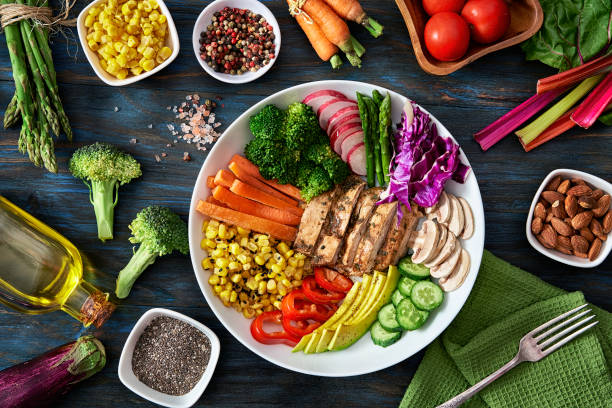
Carbohydrates are your primary fuel source in the pool. When you're swimming hard intervals or racing, your body relies almost entirely on glycogen—stored carbs in your muscles and liver. If those stores are depleted, your pace drops, your technique falls apart, and no amount of willpower can compensate. This doesn't mean loading up on sugar and white bread; it means eating quality carbs throughout the day: oats, rice, sweet potatoes, whole grain pasta, and fruit. Timing matters too—eat a carb-rich meal 2-3 hours before practice, and top off with a small snack 30-60 minutes beforehand if you need it.
Protein: Recovery's Building Block
Protein repairs the muscle damage you inflict during hard training. Without enough of it, you're not getting stronger—you're just breaking down. Aim for a palm-sized portion of protein with every meal: chicken, fish, eggs, tofu, Greek yogurt, or legumes. The post-workout window is real: within 30-60 minutes of finishing practice, consume a combination of protein and carbs to kickstart recovery. A protein shake with a banana, a turkey sandwich, or chocolate milk all work. Don't overthink it—just eat.
You can't out-train a bad diet. Fuel smart, recover faster, swim stronger.
“Swimming LST”Hydration: The Silent Saboteur
It's easy to forget you're sweating when you're submerged in water, but dehydration kills performance just as quickly on deck as it does on land. Even mild dehydration—losing just 2% of your body weight in fluids—impairs strength, endurance, and focus. Drink water consistently throughout the day, not just during practice. If your urine is darker than pale yellow, you're behind. For sessions longer than an hour, consider a sports drink to replace electrolytes lost through sweat.
On meet days, nutrition becomes even more critical. Eat a familiar, carb-heavy breakfast 2-3 hours before your first race—nothing new or greasy that might upset your stomach. Between races, snack on easily digestible foods like bananas, granola bars, or pretzels. Avoid heavy meals that will sit like a brick in your gut. And hydrate constantly. The goal is to keep your energy steady, not to peak and crash.