
By Ethan Yang
Sun Sep 01 2024
0
0
The Mental Game: Winning Between Your Ears
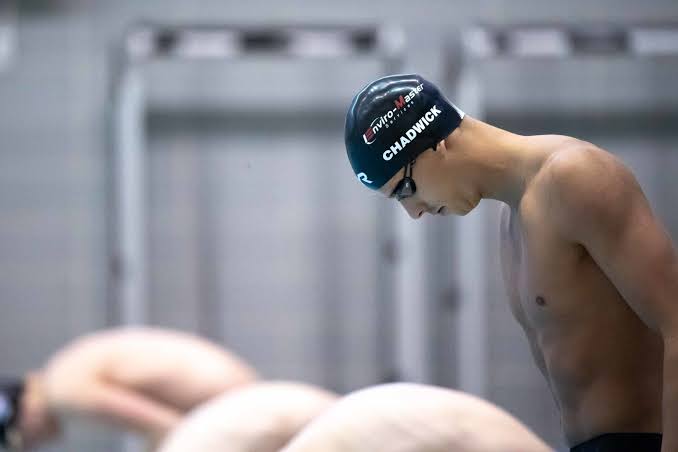
Two swimmers stand behind the blocks, equal in speed, training, and preparation. One dives in confident, focused, and ready. The other is already defeated—paralyzed by doubt, replaying past failures, or overwhelmed by the pressure of the moment. The race is over before it starts. Swimming is a mental sport disguised as a physical one. Your body will do what your mind believes it can—and if your mind is working against you, no amount of training will save you.
The first skill is pre-race visualization. Top swimmers don't just show up and hope for the best—they've already swum the race a hundred times in their heads. Visualization isn't daydreaming; it's deliberate mental rehearsal. Close your eyes and see yourself behind the blocks. Feel the tension in your legs as you prepare to dive. Hear the beep. See yourself executing your race plan: clean breakouts, strong turns, controlled breathing, a powerful finish. The more vivid the visualization, the more your brain treats it like a real experience, building confidence and familiarity.
Managing Pre-Race Nerves
Nervousness isn't the enemy—it's a tool. Those jitters you feel before a big race? That's your body preparing to perform. The goal isn't to eliminate nerves; it's to channel them into focus. Develop a pre-race routine that calms you and gets you into the zone: stretching, listening to music, a specific warm-up sequence. Routine creates control, and control quiets the chaos. When doubt creeps in, remind yourself: you've trained for this. You belong here. You're ready.
Your body will do what your mind believes it can. Train your mind as hard as you train your body.
“Swimming LST”Staying Present in the Pain
The hardest part of racing isn't physical—it's staying mentally engaged when your body is screaming to stop. In the third 50 of a 200, when your arms feel like lead and the wall seems impossibly far, your mind will offer you a deal: ease up just a little, no one will notice. That's the moment. Champions say no. They refocus on their technique, their breathing, their stroke count—anything to keep the mind sharp and the body moving. Pain is temporary. Regret lasts forever.
Finally, reframe failure. Every bad race, every missed time, every DQ—it's data, not defeat. Ask yourself: what went wrong? What can I control next time? Then let it go. Dwelling on failure breeds fear. Learning from it breeds growth. The difference between a good swimmer and a great one isn't that they never fail—it's that they fail forward.