By Ethan Yang
Mon Sep 02 2024
0
0
Knees: The Hidden Vulnerability in Swimming
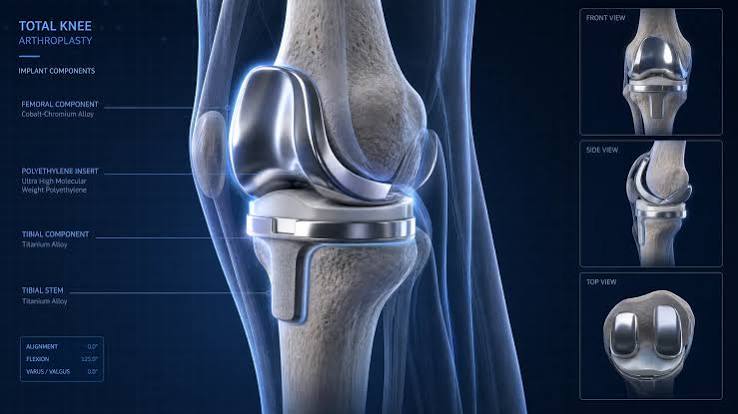
When we think of swimming, we imagine a graceful, low-impact sport—a sanctuary for aging joints and a safe haven for injury-prone athletes. And for the most part, that reputation holds true. But spend enough time in the lanes, especially in the competitive ranks, and you'll discover a painful reality: the water may be forgiving, but the repetitive mechanics of certain strokes are not. Nowhere is this more evident than in the knee, a joint that takes a surprising beating in a sport supposedly defined by its gentleness.
The prime culprit is the breaststroke kick—a move so unnatural for the human knee that it has earned its own clinical nickname: 'breaststroker's knee.' This whip-like action, which forces the leg from a bent position into a rapid, outward-rotating extension, places enormous valgus stress on the medial structures of the joint. The statistics are sobering: studies show that up to 86% of competitive breaststroke swimmers have experienced knee pain at some point in their careers. This isn't a minor niggle; it's a chronic, predictable consequence of biomechanical design clashing with athletic ambition. And yet, too often, swimmers are told to 'kick through it' or simply switch to freestyle for a few days, as if the knee were a minor inconvenience rather than a critical engine of propulsion.
Management and Prevention
Effective management requires a shift in mindset—from reactive band-aids to proactive, structural care. The initial response is straightforward: rest, ice, and a temporary halt to breaststroke kicking. But this is merely the opening move. The real work lies in rehabilitation and prevention, which means looking beyond the knee itself. Weak hips and glutes are notorious accomplices in this injury, allowing the knee to cave inward during the kick and absorb forces it was never designed to bear. A program of targeted strengthening—glute bridges, clamshells, and core stability work—coupled with technical refinement from a coach who understands knee mechanics, can transform a swimmer's trajectory from one of chronic pain to sustainable performance.
Swimmers cannot afford to treat knee pain as an occupational hazard to be endured. It is a biomechanical signal, a warning that training load, technique, or muscular balance is off-kilter.
“Swimming LST”The Takeaway
The takeaway is clear: swimmers cannot afford to treat knee pain as an occupational hazard to be endured. It is a biomechanical signal, a warning that training load, technique, or muscular balance is off-kilter. Ignoring it doesn't make you tougher; it makes you sidelined. The pool will always demand repetition, but with respect for the joint's limits, strategic strengthening, and the wisdom to modify when pain appears, swimmers can protect their most undervalued asset—and keep chasing the wall, pain-free, for years to come.