By Ethan Yang
Thu Sep 05 2024
0
0
Dryland Training: Building Strength Outside the Pool
Swimming is a full-body sport, and the pool alone can't build the strength and explosiveness required to compete at a high level. Dryland training—strength work, plyometrics, and mobility exercises done on land—bridges the gap between technique and power. It's where you develop the core stability to hold a tight streamline, the shoulder strength to pull with force, and the explosive starts and turns that shave tenths off your time.
Core strength is non-negotiable. Every stroke, every turn, every underwater kick is powered by your core. A weak core means wasted energy: your hips sag, your rotation is inefficient, and your power doesn't transfer from your arms to your propulsion. Planks, side planks, Russian twists, and dead bugs should be staples of your routine. Don't just hold a plank—make it dynamic. Add leg lifts, shoulder taps, or stability ball challenges to mimic the instability of the water.
Building Swim-Specific Strength
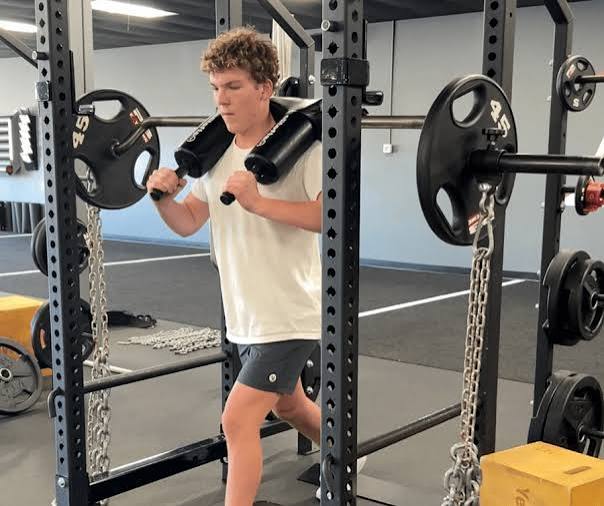
Swimmers don't need to lift like bodybuilders, but they do need functional strength that translates to the pool. Focus on compound movements: pull-ups, rows, squats, lunges, and deadlifts. These exercises build strength across multiple muscle groups and mirror the pulling, pushing, and kicking motions of swimming. Resistance bands are also invaluable—they allow you to replicate swim-specific movements with added load, strengthening your catch, pull, and recovery phases without the impact of heavy weights.
Speed in the water starts with strength on land. Build the engine, then refine the technique.
“Swimming LST”Plyometrics: Training Explosive Power
Explosive power is what gets you off the blocks fast and drives your turns. Plyometric exercises—box jumps, broad jumps, medicine ball slams, and burpees—train your muscles to contract quickly and forcefully. These movements build the fast-twitch muscle fibers that fire during a dive or a breakout. Start with bodyweight exercises, then progress to added resistance. Quality over quantity: a few explosive reps with perfect form beat sloppy high-volume work every time.
Finally, don't neglect mobility. Tight shoulders, hips, or ankles limit your range of motion and increase injury risk. Spend 10-15 minutes after every dryland session on dynamic stretching, foam rolling, or yoga. Mobility work isn't glamorous, but it's the difference between a long, healthy swimming career and one cut short by preventable injuries. Your future self will thank you.