
By Ethan Yang
Thu Aug 15 2024
0
0
Mastering Breathing Technique in Freestyle
Breathing is often the most overlooked aspect of freestyle technique, yet it's one of the most critical. Many swimmers hold their breath underwater, creating tension and oxygen debt that compounds with every lap. The key is not just when you breathe, but how you breathe—a continuous exchange that keeps CO2 levels low and maintains rhythm throughout your stroke cycle.
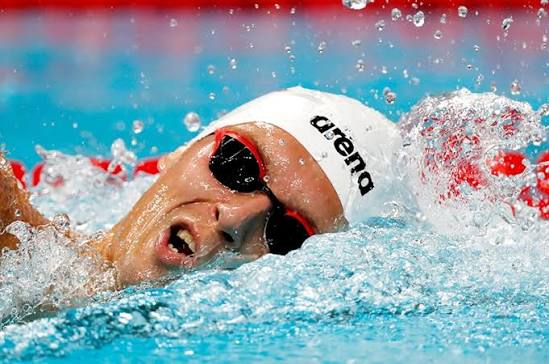
The most common error is lifting the head to breathe rather than rotating it. When you lift your head, your hips drop, creating drag and disrupting your body position. Instead, think of breathing as part of your body rotation: as your shoulder comes up, your head rotates naturally into the bow wave created by your forward motion. Your mouth should clear the surface just enough to inhale—one goggle stays in the water. This minimal rotation preserves your streamline and keeps your kick effective.
Bilateral Breathing: Building Balance
Breathing every three strokes—bilateral breathing—is often prescribed as the gold standard, but it's not for everyone. The benefit is real: it forces symmetrical technique, prevents over-rotation to one side, and allows tactical flexibility in open water or during races when you need to sight or avoid chop. However, if bilateral breathing leaves you gasping or disrupts your rhythm, breathing every two strokes on your preferred side is perfectly valid, especially in training sets where maintaining intensity matters more than symmetry.
Breathing shouldn't be a battle; it should be the metronome that holds your stroke together.
“Swimming LST”Exhaling: The Forgotten Half
Most swimmers focus on the inhale and forget the exhale. But if you're not exhaling fully underwater, you're starting each breath cycle with stale air in your lungs, limiting how much fresh oxygen you can take in. Practice exhaling steadily through your nose and mouth as your face returns to the water—don't wait until the last moment. This creates a rhythm: exhale, rotate, inhale, return. It should feel automatic, not rushed.
For those struggling with breathlessness, the problem is rarely lung capacity—it's timing and tension. Relax your neck and shoulders, and trust the rotation. If you're still fighting for air, try breathing every two strokes for a few lengths to reset your rhythm, then gradually extend to every three. Breathing shouldn't be a battle; it should be the metronome that holds your stroke together.